ATLAS
producer / lead / code / design / art / writing / sound
ATLAS: Finding the Story Inside the Software
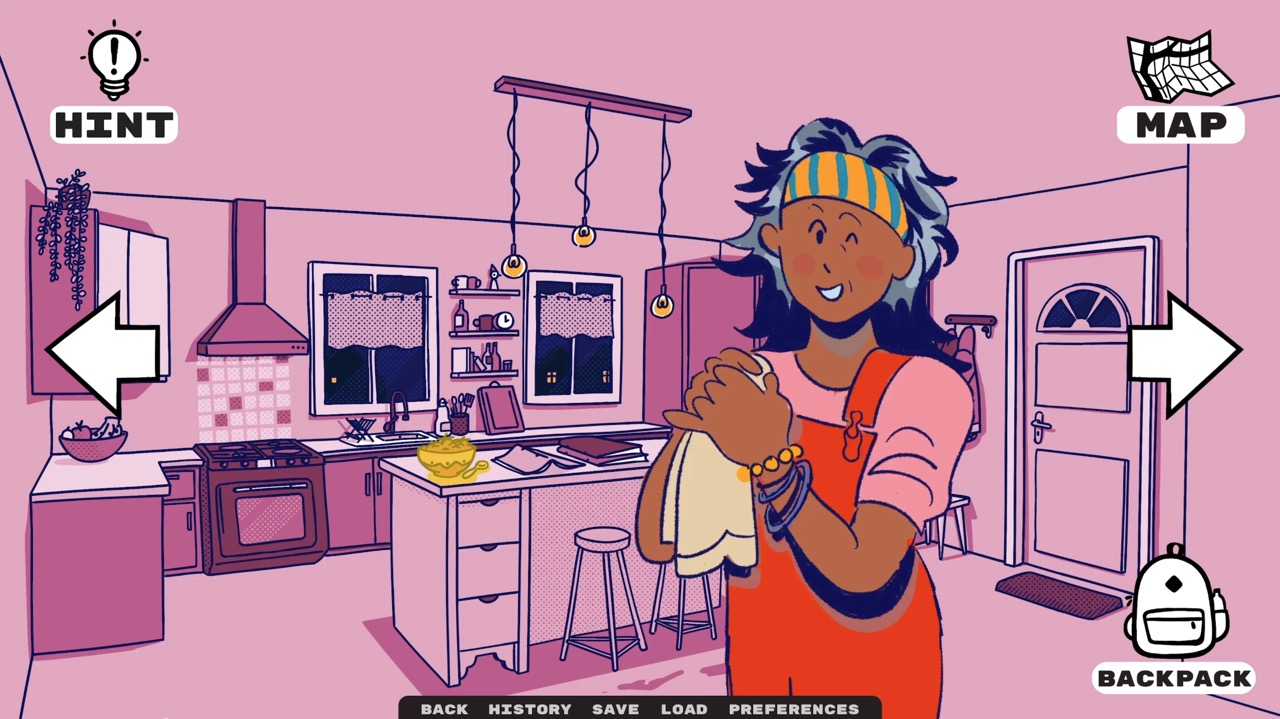
How an educational game about supporting autistic youth helped one developer discover a much broader creative role — and why sometimes the simplest ideas make the biggest impact.
There's a particular kind of surprise that comes from working on a game for months, assembling it piece by piece, and suddenly experiencing it as a player rather than its creator.
For Benji Kay, that moment arrived while testing a scene in ATLAS, an educational visual novel developed in collaboration with researchers and educators at the University of Oklahoma. He'd been deep in the mechanics of production: putting scripts together, positioning characters, changing expressions, fixing bugs, adding sound effects, recording dialogue. The usual thousand small decisions that make an interactive scene work.
Then something happened.
“There’s this raw, intimate moment between Francis and his mom, and suddenly I’m verklempt,” Kay recalls. “I mean, it’s really touching.”
It was a revelation. Kay had been confident that the team could build a polished game and deliver the functionality the project required. What he hadn't been sure of was whether they could tell a story that genuinely connected with people.
“Of the members of our team, none of us had writing fiction, let alone interactive fiction, on our résumés,” he says. “So I expected there may come a day when we had the pieces in place to produce the software, but we would need to bring in professional writers to nail the narrative.”
Instead, the story the team had created was working. It could surprise its own developer, move him emotionally, and make all those small production decisions feel worthwhile.
That moment captures something essential about ATLAS. This was a project with a serious educational purpose, shaped by the expertise of researchers and the needs of its intended audience. But it was also a game — one that needed characters worth caring about, interactions that felt satisfying, and a story that made players want to see what happened next.
Getting those things to work together would require more than programming.
Before the game, there was the question of what it should be
ATLAS grew out of work by University of Oklahoma researchers Jaye Capretto, Jenny Sperling, and Gale Hann, who had spent years laying the groundwork for an educational experience intended to support autistic youth and their families.
Caleb Creed, the project's first developer, was inspired by the expressive potential of games such as Florence. He wanted to bring that kind of artfulness to interactive education, and one of his first moves was to reach out to Kay.
The pair began with prototypes built using off-the-shelf assets and programmer art. Before investing heavily in production, they needed to understand what kind of game would best serve the project's goals.
Some of the questions were fundamental. Should the experience use a first-person perspective, showing the world through the protagonist's eyes, or a third-person perspective, keeping both the protagonist and other characters visible? Should the story progress automatically from location to location, or allow players to explore more freely and influence the order of events? And what should the art look like — realistic or stylized, pixelated or hand-drawn, detailed or deliberately sparse?
The answers weren't simply a matter of taste.
The researchers recognized that pixel art and overly detailed environments could distract from the experience they wanted to create. They also found the first-person perspective confusing: players needed to be able to see who was speaking, whether that was the protagonist or another character.
Other decisions required compromise. A strictly linear story risked becoming uninteresting, but a fully open experience would introduce complexity the team couldn't easily support with its limited resources. The eventual direction had to leave room for exploration without making the game unwieldy.
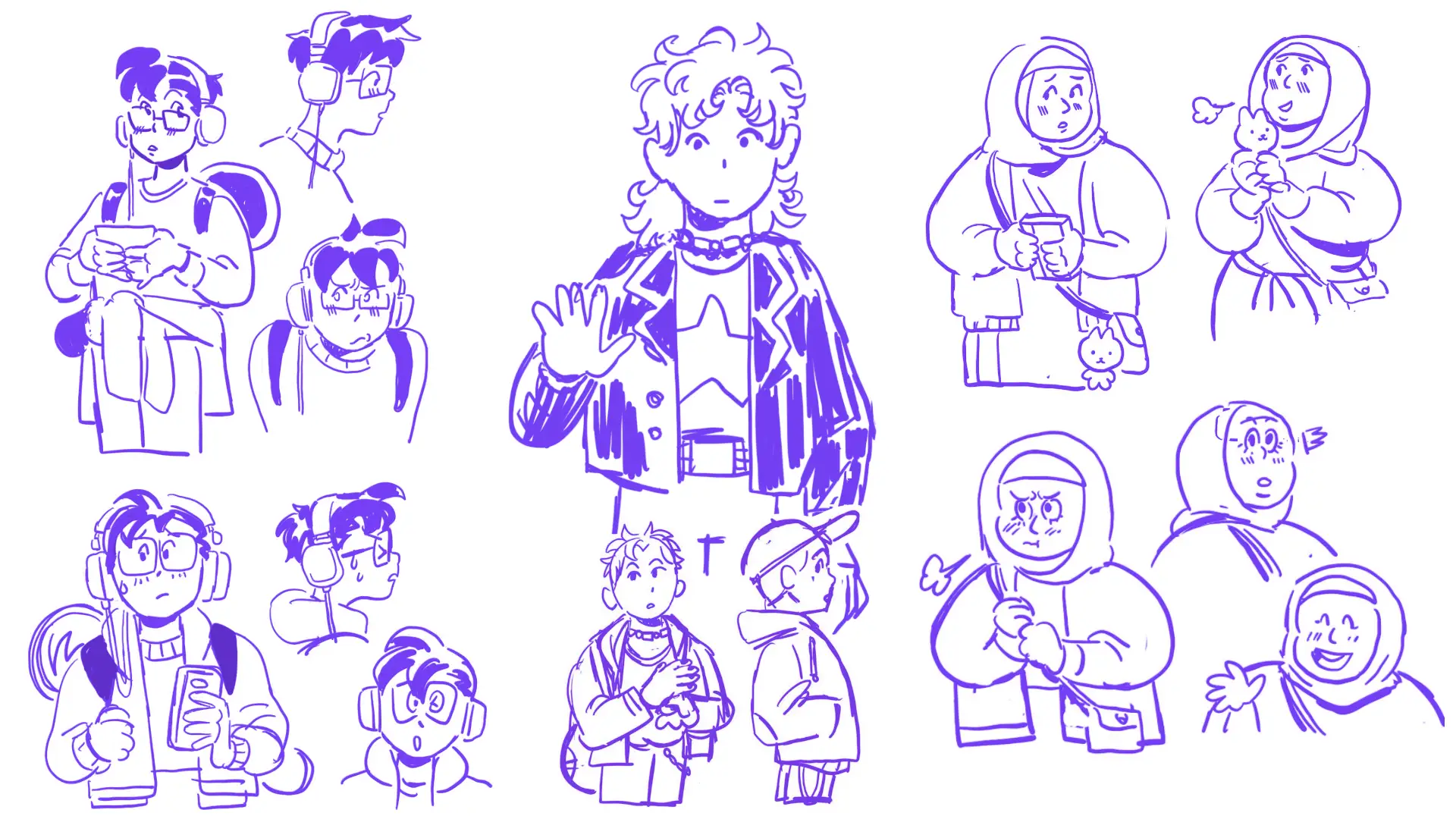
Feedback from young people helped clarify the artistic direction, too. Participants tended to favor cute, hand-drawn art. Above all, they were eager to see more of the game and find out how the story unfolded.
For Kay, pre-production was about finding the intersection between what the researchers wanted to teach, what the audience responded to, what the team could realistically build, and what would make the result feel like a cohesive game.
That work extended to assembling the people who would bring the vision to life.
Kay had spent years following artists whose work excited him, keeping track of their projects, collecting references, and watching for signs that they might be available for new work. He turned that informal archive into a practical recruiting tool: a Notion document with artist biographies, examples of their work, and notes on considerations such as experience, previous collaborations, and potential cost.
After reviewing the candidates with the team, he shortlisted artists and invited interested candidates to produce a small amount of concept work. The process led to Diigii Daguna, who focused on characters, and Rémi Le Gallo - Le Manach, whose work centered on backgrounds, props, and the user interface.
The resulting art direction wasn't about imposing a style on a group of hired illustrators. It was about finding artists whose work could support the game's aims, then collaborating with them to establish a shared visual language which fully leaned into their unique strengths.
The producer hiding inside the developer
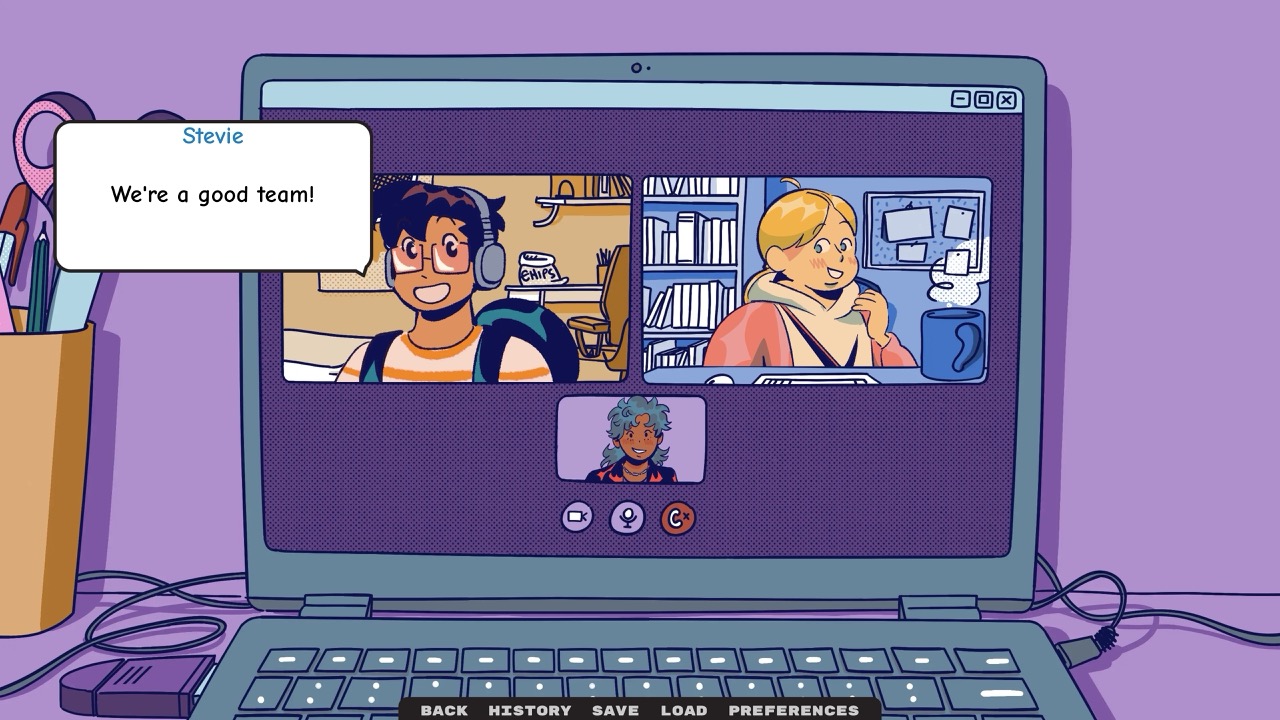
Ask Kay to summarize his role on ATLAS, and the answer comes in the form of a long credits list: Producer, Production Coordinator, Lead Designer, Narrative Designer, UX Designer, Lead Writer, Story & Plot, Script Editor, Art Director, Fidget Artist, Sticker Artist, Technical Artist, Programming, Tools, Scripting, Audio Director, Composer, Sound Designer, Narrator, Audio Engineer, Dialogue Supervisor.
It's a lot of hats. But the more interesting story is how he came to wear them.
“Prior to ATLAS, I thought of myself as a developer. Give me a task, tell me what a project needs, and I'll design and build it for you. And initially, that's how I thought about my role on the team.”
As production progressed, Kay found himself doing something more expansive. He was bringing in new talent, setting goals, tracking whether the team was meeting them, and helping align everyone around a common vision.
“Without my volition or even awareness, it naturally unfolded that I was taking the lead in all these new ways,” he says.
The realization arrived when the team began assembling the credits. Kay hadn't merely developed the game. He'd produced it.
“And I was really good at that, and I really enjoyed it, too.”
That leadership wasn't separate from his technical work. If anything, the two reinforced each other. Being able to imagine a feature and understand how difficult it would be to implement gave him a useful perspective on where the team should focus its effort.
“It's not difficult to decide where to spend your time when you have an intuitive sense of what would have the biggest impact on the experience of playing the game,” he explains.
“When you're both creative and technically-minded, you see all sorts of possibilities and can find the path that maximizes impact while minimizing effort, so the game gets noticeably better day by day.”
That approach also shaped how he worked with the artists. Kay communicated requirements, supplied reference images, reviewed iterations, and approved work with the team. When something wasn't working technically or stylistically, he sometimes made direct edits himself. Submissions were discussed collaboratively, with the team deciding together what was successful and what needed more work.
It was an iterative process, and sometimes an unexpected technical constraint emerged from an artistic decision.
Le Gallo - Le Manach, for instance, introduced a treatment that shaded sections of background images with dark blue dots. The result looked lovely. It also caused the images to double in size.
For a game intended to run on the web, that was a problem worth solving. The answer wasn't simply to abandon the visual idea, but to find a way to keep the artwork's character while bringing its file sizes back under control.
It's a small example of the balancing act running throughout ATLAS: artistic ambition and technical practicality weren't opposing forces so much as two parts of the same design problem.
A little slime goes a long way
Not every successful solution required such negotiation. Sometimes the best answer was simply to make less.
One of ATLAS's more distinctive features is its collection of fidgets: small, tactile diversions that players can interact with while playing. The researchers were particularly enthusiastic about them, drawing on their understanding of the audience and what might make the experience more comfortable and engaging.
The idea hadn't occurred to Kay on its own. Once the researchers communicated how much they wanted it, though, he knew what he needed to do: prototype something.
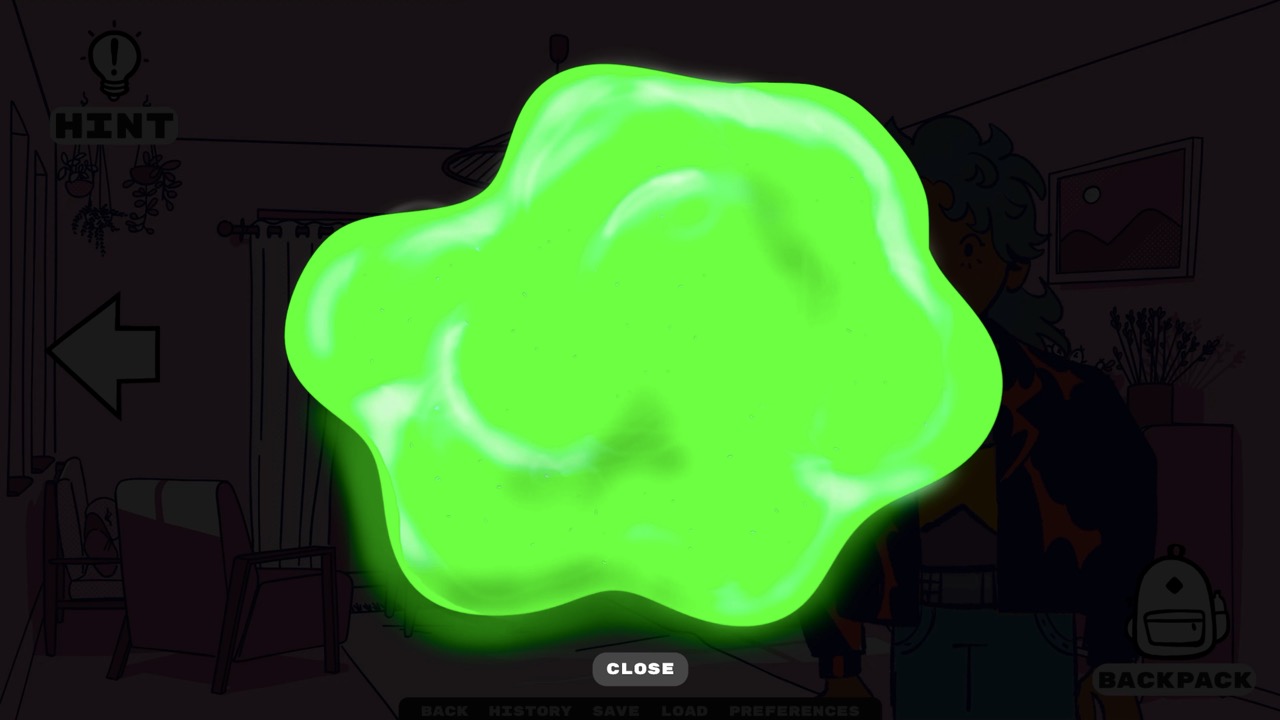
He started with slime.
“I thought a good long while about how to represent slime in the game,” he says. “It could have been really complex, 3D-modeled and simulated... But one day I decided just to draw a picture of some slime, and give it a couple of ways that drawing could be squashed and stretched.”
The implementation was wonderfully straightforward. Click the slime and it stretches, accompanied by a squishy sound. Release it and it returns to its original shape.
That's the whole interaction.
“And people love it!”
The prototype was almost identical to the final product. There was no need to turn a simple, satisfying interaction into a technically elaborate simulation. The drawn image, a little animation, and a sound effect were enough.
The slime is a neat expression of Kay's approach to development: understand the intended experience, find the simplest way to test it, and let the response guide the next decision. It also demonstrates the value of the team's collaboration. The researchers brought knowledge of their audience; Kay translated that insight into a working feature.
The result was something neither discipline would necessarily have produced alone.
Accessibility is part of the experience
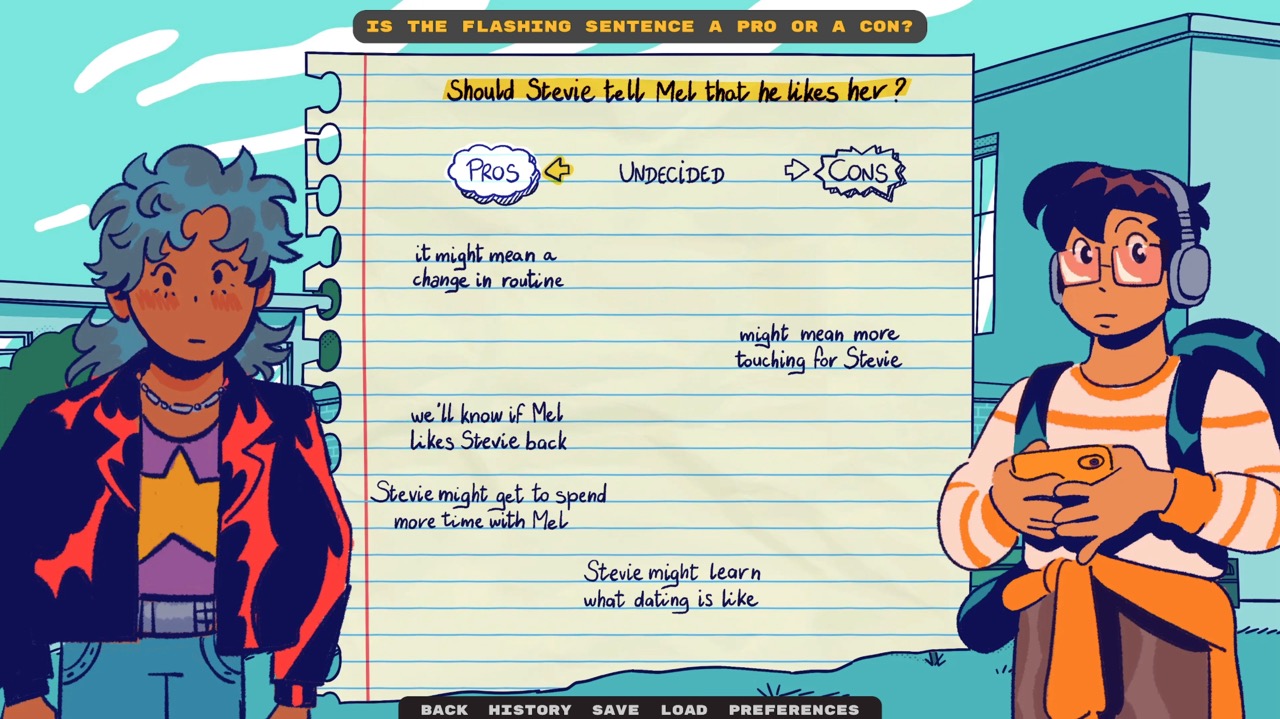
ATLAS was developed within the constraints of a research project, including Institutional Review Board (IRB) requirements that limited some of Kay's direct involvement with participants. He relied largely on reports from the researchers, then turned their observations into tracked tasks with priorities, statuses, and assignments suited to the different members of the team.
Some of the most frequent requests were for more: more content, more story branches, more fidgets.
But the feedback also highlighted where players needed help understanding what to do next.
The team added tutorials and a hint system built around objectives that remain available to the player. Rather than leaving someone stuck and unsure how to proceed, the game can tell them the specific next step needed to move forward.
These features might not be the most visually striking parts of ATLAS, but they matter. A beautiful scene or thoughtful story can't do its job if a player can't figure out how to continue.
Voice-over was another area where Kay took direct responsibility. Players wanted more spoken material, so he recorded more than a thousand lines of dialogue, objectives, lessons, and other content heard throughout the game.
The work connected several of his roles at once. Writing and editing established what the game needed to communicate; UX decisions helped determine how that information reached the player; recording brought it into the experience as sound. Each was a different part of making the same material understandable and engaging.
The research team remained central to those decisions. Kay's job wasn't to assume he already knew what the audience needed, but to listen to the people who understood them, make that knowledge actionable, and help the team deliver it.
When the pieces become a story
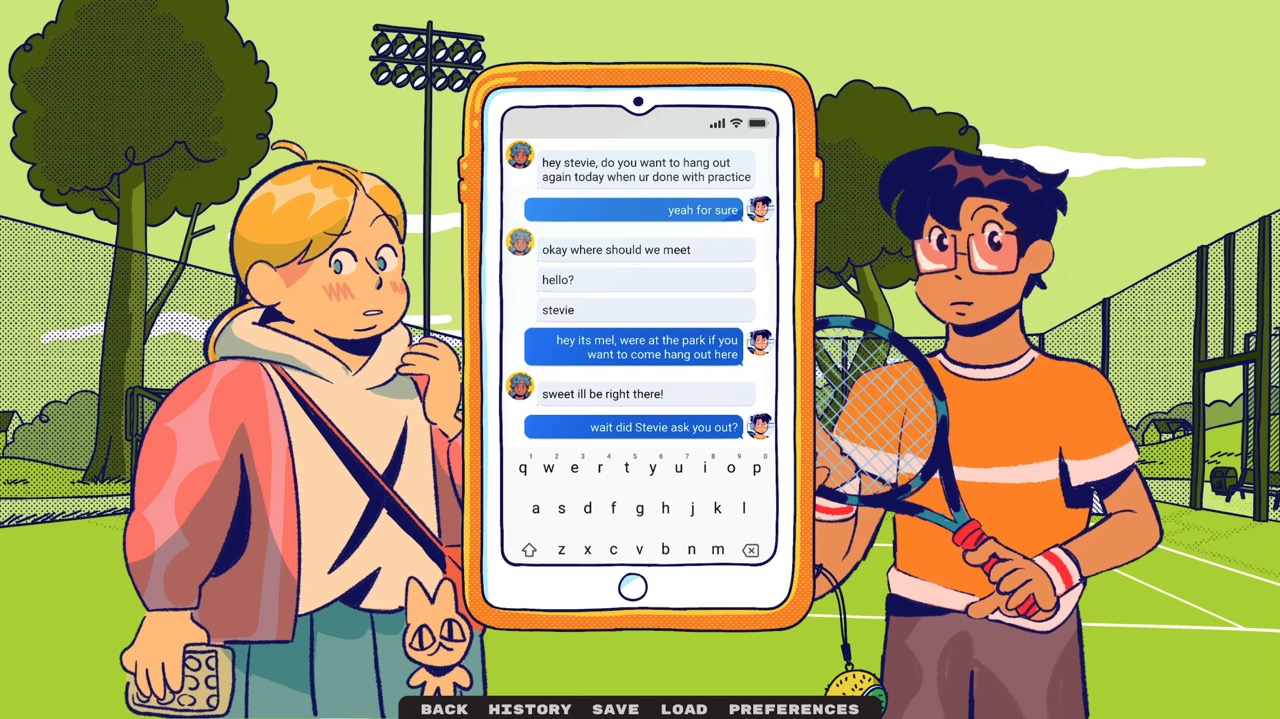
For all the technical and production work involved, Kay's strongest memories of ATLAS return to its narrative.
The team's educational goals informed the characters and the story they wanted to tell. The artistic goals helped determine who joined the project and how its world would look. The artists portrayed the characters and setting; the researchers helped define what the experience needed to accomplish. Across those disciplines, coherence emerged from a shared direction and a great deal of iteration.
Kay describes the final process less as a rigid formula than a combination of instinct and refinement — “a bit of zhuzhing” to make sure all the pieces fit together.
The emotional scene between Francis and his mom was proof that the approach could work. It wasn't the product of a team of established fiction writers following a proven formula. It emerged from people with complementary expertise, working together on a story they cared about.
Kay remains open to bringing in professional writers if the project grows. For now, though, he's proud of what the team accomplished.
“And maybe someday, if we have the opportunity to expand ATLAS, we will explore that possibility, and see what kind of fruit that approach would yield,” he says. “But in the meantime, the story we came up with really works! And it's a nice feeling to know that.”
It's a fitting culmination for a developer who discovered, over the course of a project, that his capabilities extended well beyond development. He could help shape a creative vision, bring the right people together, guide the work, and contribute directly across the disciplines required to make it real.
ATLAS didn't just give Kay a broader set of credits. It changed how he understood his own role.
A larger vision, still to be built
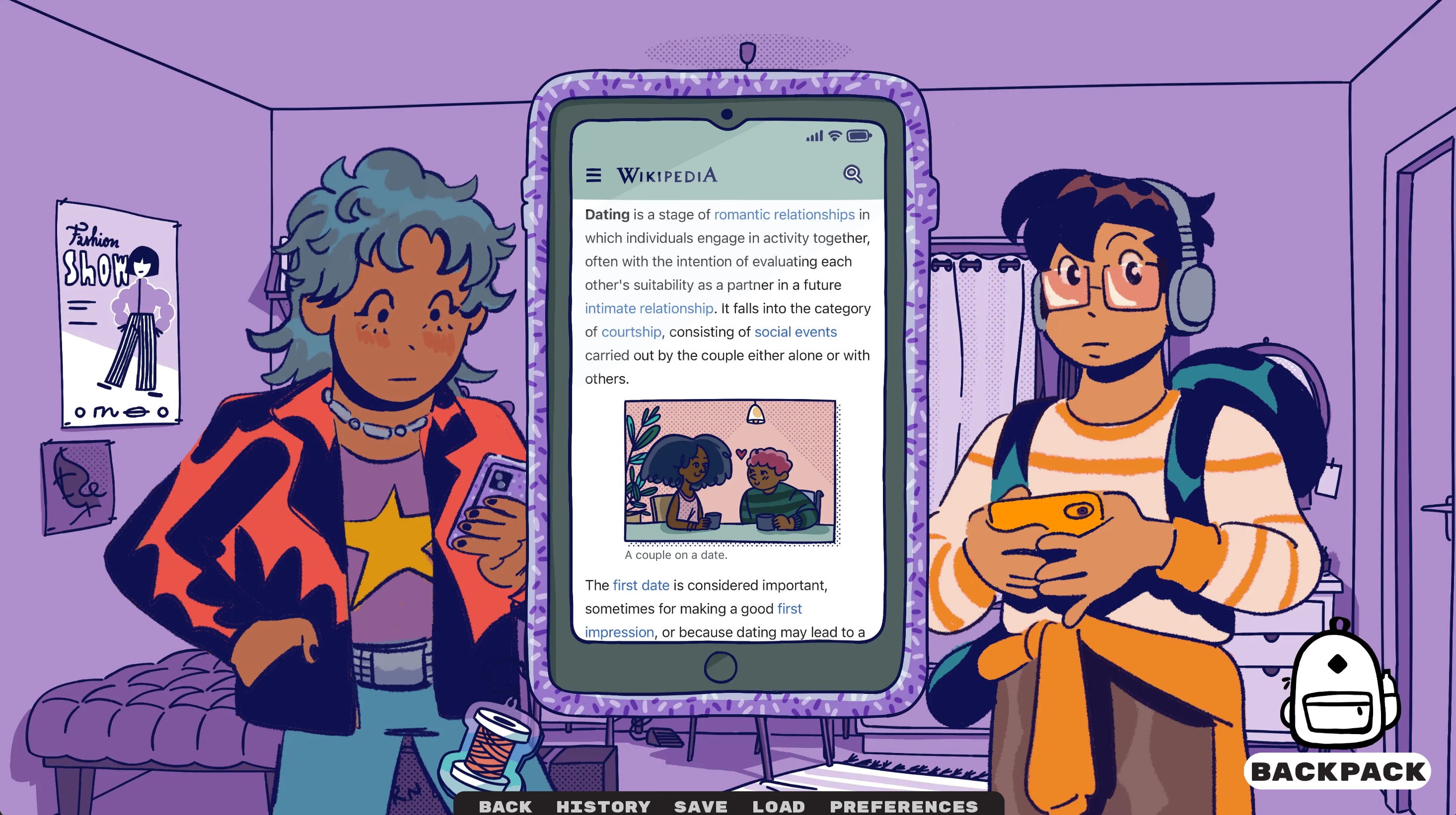
The version of ATLAS the team completed represents only a small part of what the researchers hope to teach.
Their ambitions extend well beyond the material the initial funding could support. Expanding the curriculum would mean adding lessons, stories, characters, locations, dialogue, and objectives — in other words, continuing to build on the platform the team has established.
For Kay, the next steps are inseparable from the researchers' goals. The project's purpose isn't simply to make a game larger. It's to give the team more room to serve autistic youth and their families through the educational material the researchers want to deliver.
But that expansion requires funding.
The finished game demonstrates what the collaboration can achieve: a carefully art-directed, interactive educational experience with a strong narrative, accessible guidance, and small moments of delight. There's a larger curriculum waiting beyond it, and a team that has already learned a great deal about how to bring it to life.
If you'd like to support the next chapter of ATLAS, Kay would love to hear from you.
Play ATLAS: https://okaybenji.itch.io/atlas
ATLAS was developed in collaboration with University of Oklahoma researchers and educators Jaye Capretto, Jenny Sperling, and Gale Hann, with Caleb Creed, character artist Diigii Daguna, and artist Rémi Le Gallo - Le Manach among its contributors.